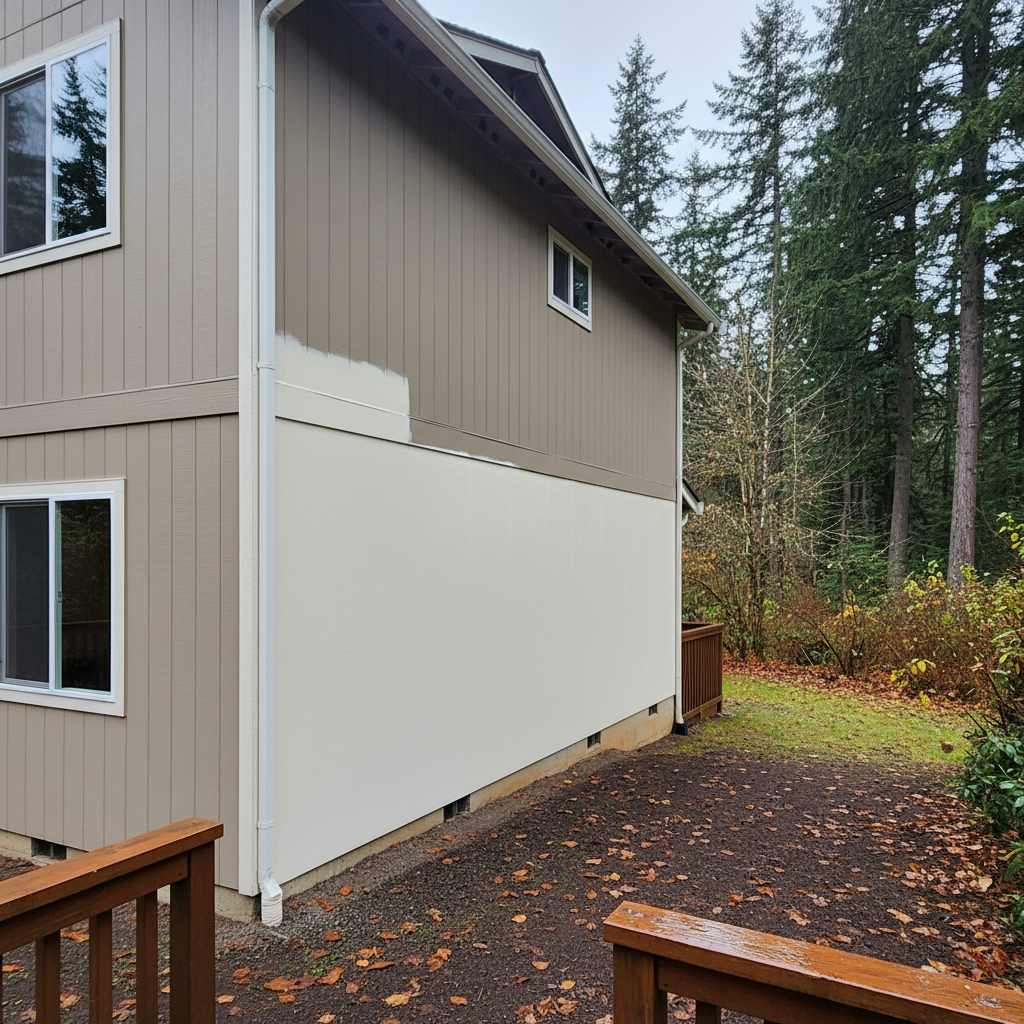
Got a ding in your drywall? Or maybe you're just thinking about giving a room a fresh coat of paint. Sounds good! But if you live here in Spanaway, you know our weather isn't always the most cooperative. Getting your projects timed just right makes a huge difference in how well the work turns out and, more importantly, how long it actually lasts.
When to Tackle Drywall Repair
Drywall repair is one of those tasks that often gets pushed aside. But honestly, it's usually best to get it done when conditions are stable. What exactly does "stable" mean for us folks around Spanaway Lake?
You're looking for moderate temperatures and steady humidity. For interior drywall, that's usually pretty easy to manage. However, if you've got a bigger patch job, especially one near an exterior wall, the outside weather can really affect how fast your joint compound dries and hardens. If it's too cold and damp, it'll take forever to dry, and you might end up with cracks or poor adhesion. On the flip side, if it's too hot and dry, it can dry too quickly, which also leads to cracks. Go figure.
I've seen people try to patch drywall in the middle of a cold, rainy January. What happens? The compound just won't harden correctly. You're much better off waiting for a stretch of drier, milder weather, even if it's still winter. Or, if you're tackling it yourself, make sure you're running your heat and maybe even a dehumidifier to keep the air inside consistent.
Painting: Inside and Out
This is where our local climate really starts to show its true colors. Everyone wants to paint in the summer, and for exterior work, that's usually your best bet. But for interior painting, you've got a lot more wiggle room, and sometimes waiting for summer isn't the smartest move.
Interior Painting
You can paint inside pretty much any time of year, but there definitely are ideal conditions. Paint needs to dry and cure properly, right? That means good air circulation and steady temperatures. If it's too cold, the paint won't flow right, and it'll take ages to dry. Too hot, and it can dry too fast, leaving you with brush marks or poor adhesion. We're talking 60-80 degrees Fahrenheit as the sweet spot.
Here in Spanaway, our spring and fall can be absolutely fantastic for interior painting. The air isn't too cold, not too hot, and you can open windows for ventilation without freezing or baking. Plus, the humidity tends to be lower than in the dead of winter. If you're painting in winter, just make sure your heating system is working well to keep the room warm and consistent. Just don't crank it up so high that the air gets super dry; that can cause its own set of problems.
Exterior Painting
Now, this is a whole different ballgame. You absolutely need dry weather, and not just for a few hours. Paint needs a good 24-48 hours of dry conditions to properly set up, and often even longer to fully cure. Our rainy season, which can stretch from October well into May, makes exterior painting a real gamble.
The best time for exterior painting around here is typically late spring through early fall. Think June, July, August, and sometimes September. You want temperatures between 50 and 85 degrees Fahrenheit. Anything colder, and the paint won't cure. Anything hotter, and it dries too fast, leading to blistering or poor adhesion. Trust me, you don't want that.
Another thing to consider is the morning dew. Even on a sunny summer day, the mornings can be quite damp. You simply can't paint over a wet surface. So, you might not be able to start painting until mid-morning, even if the sun's been out for hours. And you need to stop early enough in the afternoon to let the paint dry before the evening dew sets in. This is especially true for homes in areas with lots of trees or near wetlands, where the air just stays humid longer.
Protecting Your Investment Year-Round
Once the paint is on and the drywall is fixed, you want it to last, right? Here's how to keep it looking good:
- Ventilation is Key: Especially in bathrooms and kitchens. Our damp climate means mold and mildew are always lurking. Run those exhaust fans! It's one of the easiest ways to protect your paint and drywall from moisture damage.
- Address Leaks Promptly: A small leak from a roof or plumbing can quickly turn into a huge drywall and paint problem. Don't put it off.
- Clean Gently: For interior walls, use a soft cloth and mild soap. Avoid harsh chemicals that can strip paint or leave residue.
- Regular Inspections: Walk around your house a couple of times a year. Look for peeling paint, cracks in caulk, or any spots where moisture might be getting in. Catching these things early saves you a lot of headache and money down the road.
Doing it right the first time, and then keeping up with it, is always cheaper than letting things go. If you're ever unsure about the best time to tackle a project or just need a hand, that's exactly what Charis Painting Inc. is here for. We've been dealing with Spanaway weather for years, and we know what works.