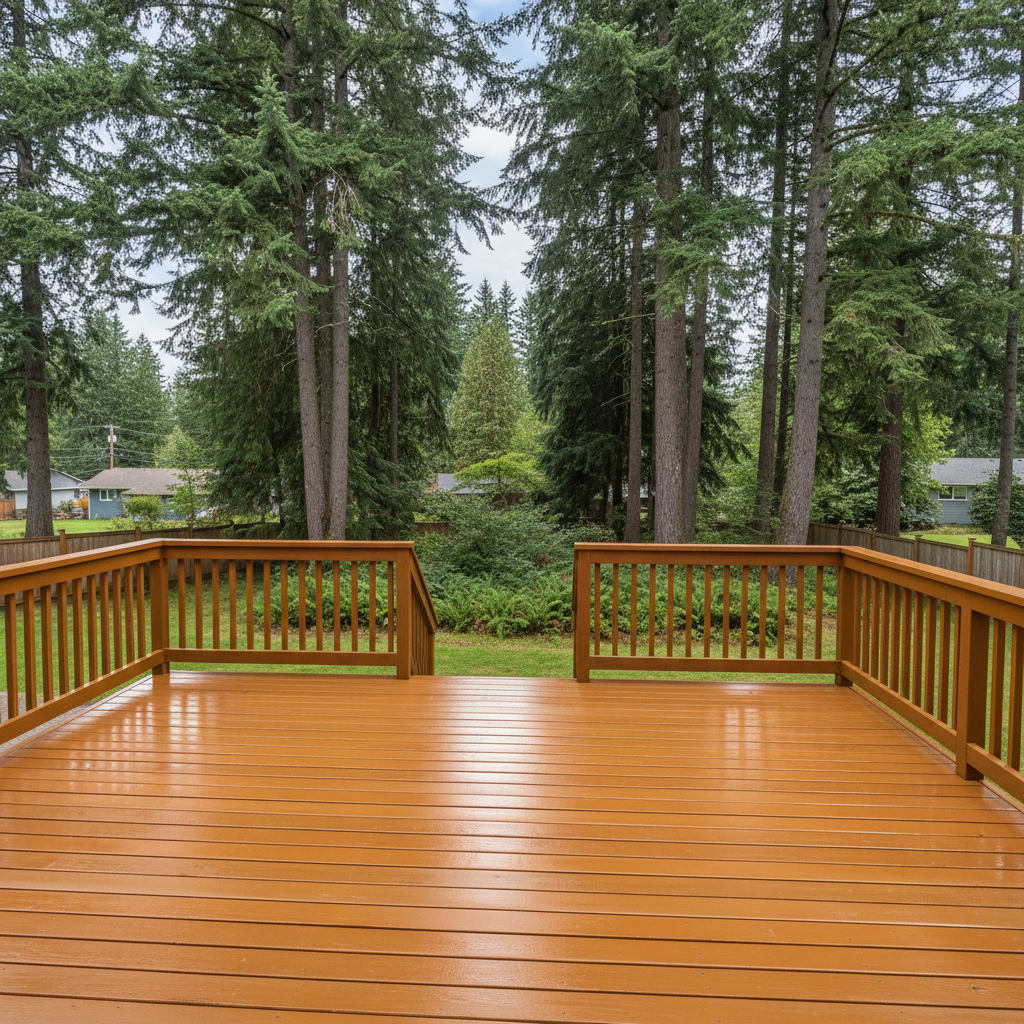
So, you've just had your deck stained, or maybe you're thinking about it. Either way, that's a smart move. A good stain doesn't just make your deck look fantastic; it's also your first real defense against our brutal Pacific Northwest weather. Here in Spanaway, between the constant drizzle and that strong summer sun, your deck really takes a beating. So, how do you make that investment last? Well, it's all about smart maintenance, and honestly, it's probably not as hard as you might think.
Making Your Deck Stain Last Longer
The single biggest thing you can do to extend your deck stain's life starts right after we apply it. You've got to give it time to cure properly. I know, I know, it's super tempting to put the furniture back and start grilling, but most stains need a few days – sometimes even a whole week – to fully harden. Always read the manufacturer's instructions for the specific product we used; that's your best guide, truly. Walking on it too soon, or letting heavy rain hit it before it's ready, can mess up the finish right from the start.
Beyond that initial cure, keeping your deck clean is super important. Just think about all the stuff that lands on it: leaves, pine needles, dirt, pollen, even bird droppings. When these things sit there, especially when wet, they start to break down the stain. Leaves and needles, for instance, hold moisture against the wood, creating perfect conditions for mildew and rot. A quick sweep with a broom every week or two, especially after a storm, goes a long way. If your deck happens to be under a big fir tree, you'll probably be doing this even more often, right?
Another big tip? Furniture pads. If you've got outdoor furniture, stick little felt or rubber pads on the feet. Dragging chairs around can scuff up the stain faster than almost anything else. And if you're using planters, make sure they're lifted slightly so water can drain underneath. You definitely don't want standing water trapped under a pot, creating a dark, damp spot where the stain will fail quickly.
What Does Regular Maintenance Involve?
For most stained decks around here, you're looking at a pretty simple annual routine. Once a year, usually in the spring after the worst of the rain has passed but before the summer heat really kicks in, give your deck a good cleaning. Don't grab the pressure washer just yet – we'll talk about that in a minute. Start with a scrub brush and a good deck cleaner made for stained wood. There are plenty of oxygen-bleach based cleaners out there that will kill mildew and clean off grime without being too harsh on the stain or the wood itself.
Mix it up according to the directions, put it on, let it sit for a bit, and then scrub. Rinse it thoroughly with a garden hose. You really want to make sure all that cleaner is gone. Let the deck dry completely before you do anything else. This yearly cleaning will remove all that surface grunge that builds up, letting the stain breathe and do its job properly.
Now, about pressure washers: they can be your deck's best friend or its worst enemy. If you're not careful, a pressure washer can strip the stain right off, or even damage the wood fibers, leaving fuzzy spots. If you're going to use one, use a wide fan tip (like 40 degrees) and keep the pressure low, maybe 800-1200 PSI. Hold the wand at least a foot away from the surface and move it constantly. Never blast directly at the wood. For most maintenance, a good scrub brush and hose are safer and just as effective, honestly.
Signs of Trouble
Your deck will tell you when it's starting to have issues. You just need to know what to look for. The first thing I always tell folks to watch out for is water beading. When your deck was freshly stained, water would bead up on the surface like little pearls. Over time, that beading will lessen. If water starts soaking into the wood instead of beading up, that's a clear sign your stain's protection is wearing thin. It means the wood is exposed to moisture, and that's when problems really start.
Other warning signs include:
- Fading or discoloration: This is especially noticeable in high-traffic areas or spots that get a lot of sun. The color just won't be as vibrant as it once was.
- Peeling or flaking: This is a more serious sign, usually meaning the stain wasn't put on correctly or that it's completely failed. This happens more often with film-forming stains rather than penetrating ones.
- Graying wood: If you see areas of wood turning gray, that's UV damage. The sun has gotten through the stain and is breaking down the wood fibers.
- Mildew or mold: Dark black or green spots that don't come off with a simple sweep. This means moisture is trapped, and the stain isn't protecting against biological growth. Around here, with our damp conditions, especially in shaded areas or under eaves, mildew can pop up fast.
Don't ignore these signs. A small problem caught early is usually an easy fix. Left unchecked, it can quickly turn into a much bigger, more expensive repair.
When to Call a Pro
Look, I'm a big believer in DIY when it makes sense. But there are times when calling in Charis Painting Inc. is just the smarter move. If you're seeing widespread peeling, significant graying, or if the deck hasn't been maintained in years and is looking really rough, you might need more than just a cleaning and a fresh coat. Sometimes, the old stain needs to be completely stripped off, and the wood brightened or even sanded, before a new stain can be applied properly. That's a big job, and it requires specific tools and expertise to do it right without damaging your deck.
Also, if you're unsure about what type of stain was originally used, or if you're dealing with a particularly stubborn mildew problem that your annual cleaning isn't touching, give us a call. We've got the experience to identify the issues and recommend the right course of action. We can assess the condition of your deck, tell you exactly what needs to be done, and give you a quote for getting it back in top shape. It's all about protecting your investment and making sure your outdoor living space stays beautiful and safe for years to come.