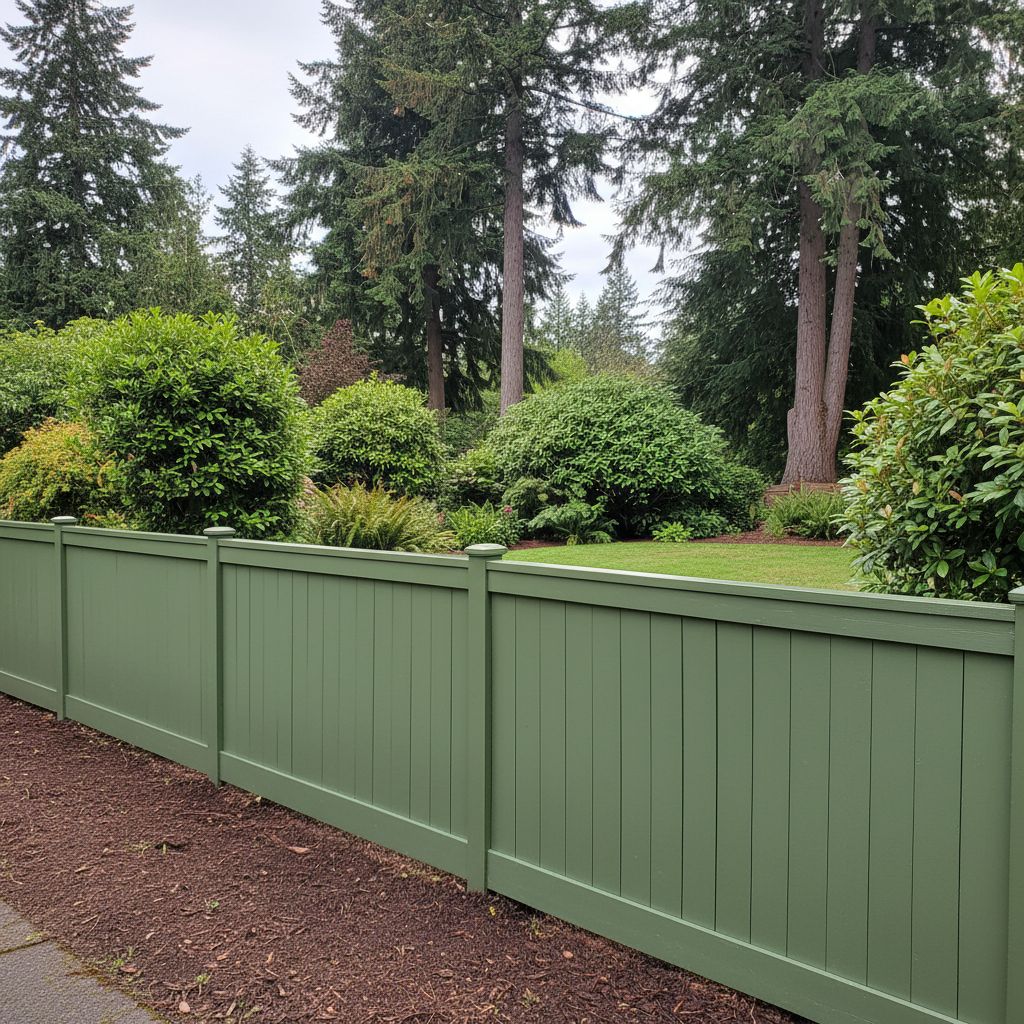
You just spent good money getting your fence painted, maybe by me at Charis Painting Inc, or maybe someone else. Either way, you want that fresh look to last, right? Especially with our Pacific Northwest weather, a painted fence needs a little love to stay strong and beautiful. It's not just about curb appeal; it's about protecting your investment.
Extending Your Fence Paint's Life in Western WA
The key to longevity around here is understanding what our climate does to paint. We get a lot of rain, dampness, and those gray, overcast days that just let moisture sit. Then, in summer, we get intense sun that bakes everything dry. This constant expansion and contraction, plus the moisture, is what breaks down paint over time.
First off, make sure your fence was properly prepped. If it wasn't cleaned thoroughly, or if old, peeling paint wasn't scraped and sanded, then even the best new paint won't stick for long. A good primer, especially on new wood or areas where the old paint was completely removed, is also crucial. It acts like a glue between the wood and the topcoat, and it helps block tannins that can bleed through lighter colors.
Using high-quality paint specifically designed for exterior use is non-negotiable. Don't skimp here. Cheaper paints might look okay for a year, but they'll fail faster, leaving you to repaint sooner. I always recommend acrylic latex exterior paints; they're flexible, breathe better, and hold up well against moisture and UV rays. Oil-based paints used to be the go-to, but modern acrylics are often superior for fences.
Finally, consider the number of coats. Two coats of a good quality paint are always better than one. That second coat builds a stronger film, offering more protection and a richer, more even color.
Regular Maintenance: Your Fence's Best Friend
Think of your fence like your car; it needs occasional care. Here's what I tell folks:
- Annual Inspection: Walk your fence line once a year, maybe in the spring after the worst of the winter rains. Look for any peeling, cracking, or bubbling paint. Check for moss or mildew growth, especially on the north-facing sides or in shaded areas, which are common in places like the more wooded parts of Spanaway near Lake Spanaway Golf Course.
- Cleaning: A gentle wash can do wonders. Use a soft brush and a mild detergent (like dish soap) mixed with water. For stubborn mildew, a solution of one part bleach to three parts water can work, but rinse thoroughly afterward. Don't use a high-pressure washer unless you know what you're doing; it can damage the wood fibers and blast off good paint.
- Trim Vegetation: Keep bushes, vines, and trees away from the fence. They trap moisture against the wood, which promotes rot, mildew, and paint failure. Air circulation is key.
- Touch-ups: If you spot small areas of peeling paint, don't wait. Scrape off the loose paint, feather the edges with sandpaper, clean the area, prime if necessary, and apply a fresh coat of paint. Catching these spots early prevents them from spreading into bigger, more expensive problems.
Warning Signs: When Your Fence Needs More Than a Wash
You'll start to see signs when your fence needs more than just a quick clean or touch-up. These are red flags:
- Widespread Peeling or Cracking: If large sections of paint are failing, especially down to the bare wood, it's a sign the paint film has reached the end of its life.
- Fading and Chalking: The color looks dull, and when you run your hand over it, you get a powdery residue. This means the paint is breaking down from UV exposure.
- Persistent Mildew/Mold: If you're constantly scrubbing off black or green growth, it means moisture is getting trapped, and the paint isn't protecting the wood as it should. This is a common issue with our damp climate.
- Wood Rot: Soft spots, crumbling wood, or visible fungal growth are serious. Paint can't fix rot; it needs to be addressed structurally.
When to Call a Professional
You can handle small touch-ups and cleaning yourself, no problem. But there are times when it's smart to call in the pros. If you're seeing widespread paint failure, significant wood damage, or if the entire fence looks tired and worn, it's probably time for a full repaint. A professional, like us at Charis Painting Inc, will know how to properly prepare the surface, choose the right materials for our climate, and apply the paint efficiently and effectively. We've seen it all, from fences in the older, established neighborhoods with mature trees to the newer developments where fences might be weathering differently.
A full repaint isn't just about making it look good again; it's about protecting the wood from further damage, extending its structural life, and ultimately saving you money in the long run by avoiding costly repairs or replacement. Don't let a small problem become a big headache.