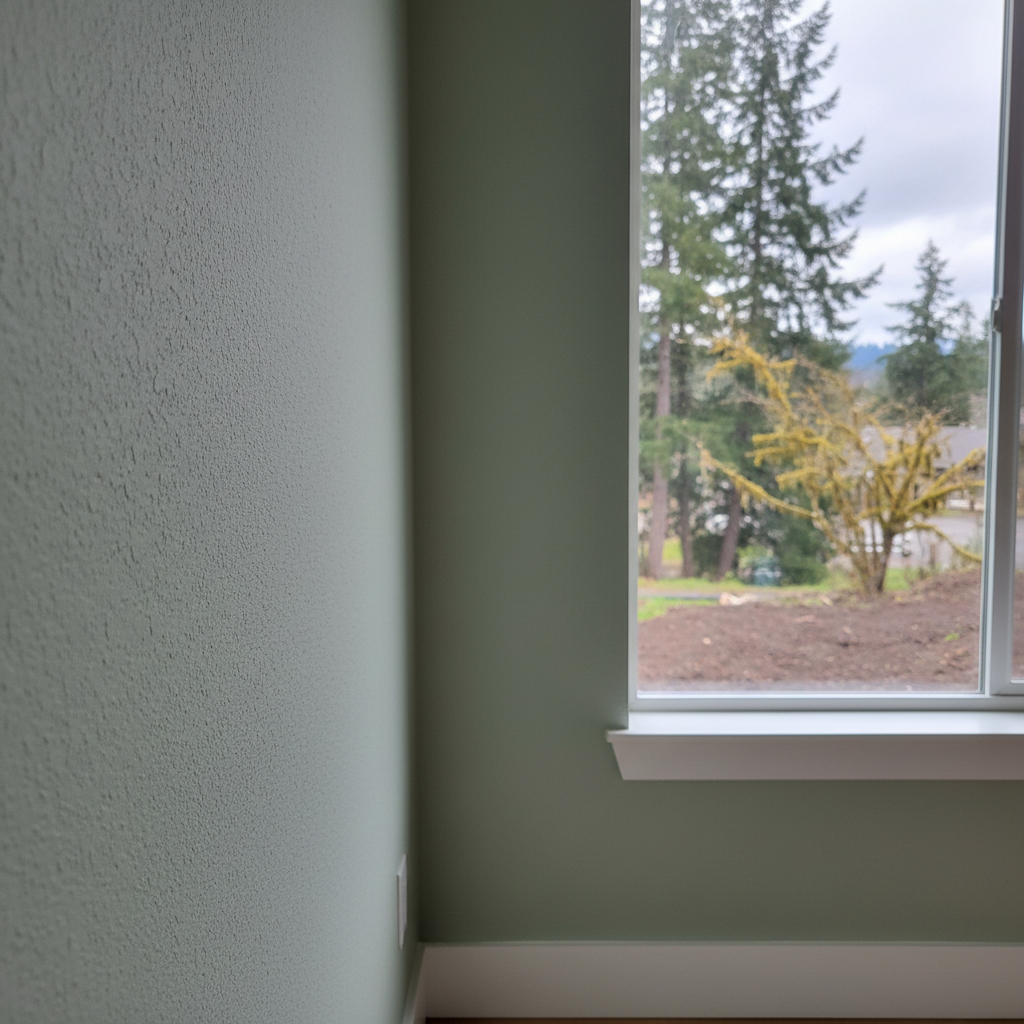
Alright, let's talk about painting your house inside. I get it, a lot of folks in Spanaway look at a wall and think, 'I can do that myself!' And you know what? For some projects, you absolutely can. But there are also times when trying to save a buck ends up costing you more in headaches, time, and even money. So, let's break down what you need to know before, during, and after an interior paint job, and when it's really best to just pick up the phone.
Before You Even Think About Paint
Preparation is the unsung hero of any good paint job. Skip this, and you're just asking for trouble. First, clean those walls. Dust, grime, kid's fingerprints – it all needs to go. A simple wipe-down with a damp cloth and mild detergent usually does the trick. For kitchens or bathrooms, you might need something a bit stronger to cut through grease or mildew. Make sure everything's dry before you do anything else.
Next up: repairs. Little nail holes? Easy. Get some spackle, apply it, let it dry, then sand it smooth. Larger cracks or holes? That's where you might need a bit more finesse. If you've got drywall damage from, say, moving furniture or a leaky pipe (which, let's be honest, can happen with our damp Spanaway winters), you'll want to fix that properly. A bad patch job will stick out like a sore thumb under a fresh coat of paint. If you're not confident with drywall, that's one of those early signs it might be time to call someone like us at Charis Painting Inc.
Finally, tape and drop cloths. Don't skimp here. Good quality painter's tape will save you hours of scraping paint off trim. And cover everything you don't want painted. I've seen too many DIYers regret not spending an extra 20 minutes on masking.
During the Painting Process: Rolling and Brushing
Okay, walls are clean, patched, and taped. Now for the fun part – or the messy part, depending on how you look at it. Choosing the right paint is crucial. For most interior walls, a good quality latex paint is your best bet. Think about the finish too: flat for low-traffic areas or to hide imperfections, eggshell or satin for a bit more durability and easy cleaning (great for living rooms and bedrooms), and semi-gloss for trim and doors because it's super durable and wipes down easily.
When you're painting, remember the technique. Cut in first with a brush around the edges, trim, and corners. Then, use a roller for the main wall surfaces. Load your roller evenly, and work in sections, usually in a 'W' or 'M' pattern, then fill it in. Don't press too hard; let the roller do the work. Overlapping your strokes slightly helps avoid lap marks.
Here's a tip: if you're painting a really dark color over a light one, or vice-versa, you might need a good primer. It helps with adhesion and ensures you get true color in fewer coats. This is especially true if you're dealing with walls that have seen a lot of wear and tear, or if you're going for a dramatic color change.
After the Paint Dries: Cleanup and Evaluation
Once you've got your final coat on and it's dry to the touch, slowly and carefully pull off your painter's tape. Don't wait too long, or the paint might dry onto the tape and peel off with it. Clean your brushes and rollers thoroughly if you plan on reusing them. Warm soapy water usually works for latex paint.
Now, step back and look at your work. Are there any drips? Uneven spots? Areas where the old color is showing through? Sometimes, a second or even a third coat is necessary, especially if you're using a lighter color over a darker one. Don't be afraid to touch up. That's part of the process.
When to Call a Pro (Like Us)
So, when do you throw in the towel and call in the cavalry? Here's my honest take:
- High Ceilings or Tricky Areas: If you've got vaulted ceilings or stairwells that require scaffolding and a steady hand, that's not a DIY job for most homeowners. Safety first, always.
- Extensive Repairs: If your walls look like Swiss cheese, or you've got major water damage, a professional painter often has the drywall repair skills to make it look seamless.
- Time is Money: Let's be real, painting takes time. If you'd rather spend your weekends doing anything else, or you need the job done quickly and efficiently, a professional crew can get it done in a fraction of the time with less disruption.
- Quality Guarantee: When you hire a reputable company, you're paying for experience, proper tools, and a guarantee of a high-quality finish. We've got the insurance, the know-how, and the crew to make sure it's done right the first time.
- Specialty Finishes: If you're dreaming of something beyond a basic flat wall – maybe a faux finish, stripes, or intricate trim work – that's definitely pro territory.
Look, you can absolutely paint a bedroom or a small bathroom yourself. It's rewarding. But for larger projects, or if you're feeling overwhelmed, don't hesitate to reach out. We're here in Spanaway, and we're happy to give you an estimate and talk through your project. Sometimes, knowing when to call a pro is the smartest DIY decision you can make.